Why This Post Exists
Nobody writes about septic tanks and well pumps. But in the Hocking Hills, where nearly every cabin is on a private septic system and well water, these are the infrastructure issues that cause the most expensive, most disruptive, and most review-damaging failures. A backed-up septic system on a Saturday night during peak foliage season is a five-figure problem.
Septic Systems
Maintenance Schedule
- Pump every 2–3 years for a typical STR. Standard residential guidance is 3–5 years, but higher guest turnover means higher usage. Pumping costs $300–$600 per service.
- Annual inspection by a licensed septic professional. The Hocking County Health Department oversees septic compliance.
- Monitor drain field for wet spots, odor, or unusually green grass — all signs of system failure.
Guest Education (Critical)
Most urban and suburban guests have never used a septic system. They will flush things that destroy your system unless you tell them not to. Post a clear, friendly sign in every bathroom:
- No wipes (even “flushable” ones — they’re not septic-safe)
- No feminine hygiene products
- No paper towels
- No grease or cooking oil down drains
- No excessive amounts of bleach or harsh chemicals
Include this information in your digital guidebook and your pre-arrival message. Frame it positively: “Our cabin uses a private septic system, which is standard in rural Ohio. To keep everything running smoothly, please only flush toilet paper.”
Well Water
Testing
- Test annually for bacteria (coliform/E. coli), nitrates, and pH through a certified Ohio lab
- Test after any plumbing work, flooding, or if water appearance/taste changes
- Keep results on file — guests may ask, and the health department may require them
Treatment
Hocking Hills well water often has high iron content, sediment, or slight sulfur odor (the “rotten egg” smell from hydrogen sulfide). Consider:
- Whole-house sediment filter ($100–$300, replace cartridge every 3–6 months)
- Water softener for hard water ($500–$2,500 installed)
- UV disinfection system ($300–$800 installed) for additional bacterial safety
- Under-sink reverse osmosis for drinking water ($150–$400 installed)
Tell guests about the water in your listing and guidebook. “The cabin has filtered well water that’s tested annually” preempts complaints better than saying nothing and having a guest think the water tastes “off.”
Propane
Most Hocking Hills cabins use propane for heat, hot water, cooking, and sometimes the fireplace. It also heats many hot tubs.
- Tank sizing: A 500-gallon tank is standard for a cabin with gas heat, hot water, cooking, and a gas fireplace. A 250-gallon tank may suffice for smaller properties without gas heat.
- Usage: Budget 500–1,000 gallons/year for a typical STR. Hot tubs add 200–400 gallons/year.
- Cost: Propane fluctuates ($1.50–$3.50/gallon). Pre-buy in summer when prices are lower.
- Monitoring: Install a smart tank gauge ($50–$200) that alerts you when the tank drops below 25%. Running out of propane during a guest’s stay is an immediate 1-star situation.
Power & Generators
Power outages are common in rural Hocking Hills, especially during winter storms and summer thunderstorms. A power outage means no heat, no hot water, no well pump (no water at all), no hot tub, and no Wi-Fi.
- Whole-house generator: $5,000–$15,000 installed (Generac, Kohler). Runs on propane and switches on automatically during outages. This is the gold standard.
- Portable generator: $500–$2,000. Requires manual startup and fueling. Better than nothing, but guests won’t know how to use it.
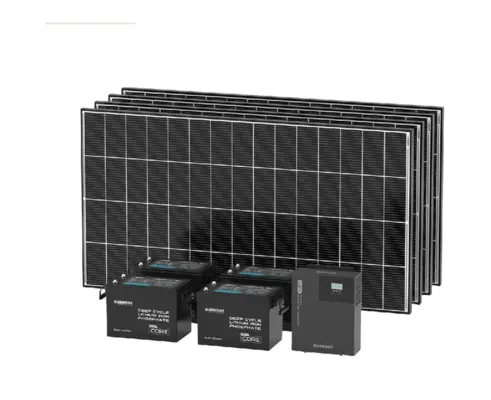
- Battery backup (Jackery, EcoFlow): $300–$2,000. Good for keeping Wi-Fi and phones charged for a few hours. Not sufficient for heat or well pump.
At minimum, keep flashlights and battery-powered lanterns accessible and note their locations in your guidebook.
Internet
Reliable Wi-Fi is non-negotiable in 2026. Guests stream content, work remotely, and expect 50+ Mbps. In rural Hocking Hills, your options may be limited:
- Fiber/cable: Available in some areas near Logan. Best option if accessible.
- Fixed wireless: Available from regional ISPs. Speeds vary (25–100 Mbps).
- Starlink: Satellite internet that works anywhere. $120/month + $499 equipment. Delivers 25–100 Mbps in most locations. Increasingly popular for remote Hocking Hills cabins.
- Cellular hotspot: T-Mobile or Verizon fixed wireless. Coverage-dependent in this region.
Whatever your connection, add a mesh Wi-Fi system ($150–$400) to ensure coverage reaches every room, the deck, and the hot tub area. Test speeds regularly and include your actual speed in your listing (“50 Mbps Wi-Fi” is more credible than “fast Wi-Fi”).
Ready to Start Hosting?
Join thousands of Hocking Hills hosts earning income on Airbnb.
Create Your Airbnb Account →